

The 2026 MLB All-Star Game gives Philadelphia Sports Business a useful stress test: not just whether the city can host another major baseball showcase, but whether teams, venues, restaurants, hotels, transport planners and neighborhood businesses can convert event traffic into durable value. The City of Philadelphia has framed 2026 as a year of large-scale events and released a Business Readiness Playbook to help local operators prepare for increased demand, staffing needs, safety coordination and customer flow around major gatherings, including sports events Philadelphia readiness plan.
For a sports analyst, the key point is that an All-Star Game does not operate like a single baseball date on the calendar. It stretches across fan travel, sponsor activation, media presence, hospitality, security planning and venue-adjacent spending. The Phillies may be the host club for baseball’s midseason event, but the wider South Philadelphia Sports Complex sits at the center of the business question because it concentrates stadium activity in a district that also serves other pro teams and entertainment traffic.
The cautious read is the fairest one. Public planning documents support the idea that Philadelphia is preparing businesses and transport systems for heavier event pressure. They do not, by themselves, prove how much revenue will reach individual businesses, how long the benefit will last, or which neighborhoods will see the largest gains. That distinction matters for fans and operators trying to separate civic optimism from measurable business outcomes.
Philadelphia Sports Business Gets A Planning Test
Why Philadelphia Sports Business Planning Matters
The All-Star Game is a baseball event, but its commercial effect depends on operations that sit outside the foul lines. A visiting fan’s spend may begin with a ticket, then move through lodging, dining, rides, parking, retail and entertainment. Local businesses need lead time to adjust staffing, inventory, booking policies and communication with customers. That is why the city’s playbook matters more than a generic promotional campaign.
The city’s public approach places preparation in the hands of businesses before the event rush arrives. That is a practical step because large sports weeks can expose weak points quickly: unclear hours, limited payment flexibility, staff shortages, supply gaps and poor crowd routing. A restaurant near a transit stop faces a different demand pattern than a hotel downtown or a merchandise seller near the ballpark, but each business needs a plan built around the same basic question: what changes when thousands of visitors arrive in a compressed window?
For Philadelphia Sports Business, the 2026 baseball week also arrives in a broader period of major-event planning. The city is treating large gatherings as a coordinated civic challenge rather than isolated dates. That can help create common guidance across sectors, though execution will still depend on individual operators and the coordination between public agencies, venue managers and private employers.
The Baseball Calendar Creates A Different Demand Curve
An MLB All-Star Game week is not the same as a postseason series. Postseason games are often confirmed on short notice, and the matchup can shift travel demand depending on the opponent. The All-Star Game is known further in advance, which gives hotels, caterers, vendors and transport agencies more room to plan. That schedule certainty is valuable.
It also changes the fan mix. All-Star events attract local fans, league partners, national media, corporate guests and travelers who may not otherwise build a trip around a regular-season Phillies game. That audience can increase demand for premium hospitality and event-adjacent programming. The business opportunity is real, but it is not automatic. Pricing, service quality and crowd movement will shape whether visitors spend widely or keep most of their activity close to the stadium and their hotels.
Sports Complex Access Shapes The Business Upside
Safety And Traffic Are Revenue Issues Too
Transportation is often discussed as a fan-experience issue, but it is also a business issue. If visitors spend too much time sitting in traffic, searching for parking or moving through crowded choke points, that time is not being spent in restaurants, shops or entertainment spaces. Pennsylvania announced a plan aimed at improving safety and transportation around the South Philadelphia Sports Complex, with the sports district identified as a priority area for event traffic and public safety coordination state safety plan.
That public investment focus fits the sports-business reality of South Philadelphia. The district’s strength is concentration: baseball, football, basketball, hockey and entertainment venues sit close enough to create a recognizable event zone. The weakness is also concentration. When multiple venues or major ancillary events pull traffic into the same area, road capacity, pedestrian flow and transit reliability become central to the customer experience.
From a business perspective, better access can expand the practical spending radius. A fan who trusts the trip back to a hotel or neighborhood stop may be more willing to eat before the game, stay after an event, or schedule another activity. A fan worried about congestion may arrive late, leave early, or avoid nonessential stops. The difference is not abstract; it affects table turns, retail foot traffic and labor scheduling.
Venue Districts Need More Than Event-Day Crowds
The strongest sports districts do not depend only on gates opening. They create reasons to arrive early and stay later. Philadelphia’s challenge is to connect the All-Star Game’s national attention with year-round habits around the sports complex. That can include pregame dining, watch events, sponsor installations, youth baseball programming and entertainment that does not require a game ticket.
Still, durable gains require repeat use. A packed All-Star week can produce a visible spike, but it does not guarantee steady weekday business in later months. Operators should treat the week as a customer-acquisition window, not simply a one-time sales surge. Capturing visitor data where appropriate, promoting future events and offering efficient service can help convert short-term traffic into later demand.
Fans looking to track event details and related city resources within the same network can turn to Wikiapp as a helpful resource, while business decisions should rely on official city, state, and venue communications.
What Local Operators Can Measure
Hospitality And Retail Need Clear Benchmarks
Because public estimates can vary by methodology, local operators should focus on metrics they can verify themselves. Hotels can compare booking pace, average daily rate and cancellation patterns against normal summer periods. Restaurants can track covers, labor cost, wait times and average check size. Retailers can measure foot traffic, conversion rate and inventory sell-through. Those numbers will tell a more useful story than a broad regional headline.
The All-Star Game also gives businesses a chance to test event staffing models ahead of future large gatherings. A company that learns how much inventory to carry, which shifts need senior managers, and where customers get delayed will be better prepared for the next major sports week. That operational learning is part of the value, even if it does not show up immediately as profit.
- Track staffing levels against actual customer volume, not just projected crowds.
- Separate stadium-adjacent sales from downtown, airport and neighborhood demand.
- Compare All-Star week performance with normal July baselines.
- Record transport-related delays that affect reservations, deliveries or shift changes.
Betting Interest Is Secondary To The Event Economy
Major baseball events can draw betting interest, especially around exhibition formats and player markets where legal and available. For this topic, that is not the lead story. The more important business signal is how the event changes demand for rooms, food, transport, sponsorship, media and public services. Betting markets may reflect fan attention, but the city’s measurable commercial test sits in hospitality and operations.
That distinction is worth keeping clear. A sports-business review should not treat handle or odds chatter as a substitute for local economic activity. The All-Star Game’s Philadelphia impact will be judged more accurately through verified business performance, public safety outcomes, transportation efficiency and whether visitors have reasons to spend beyond the ballpark gates.
Risk Points For The 2026 All-Star Week
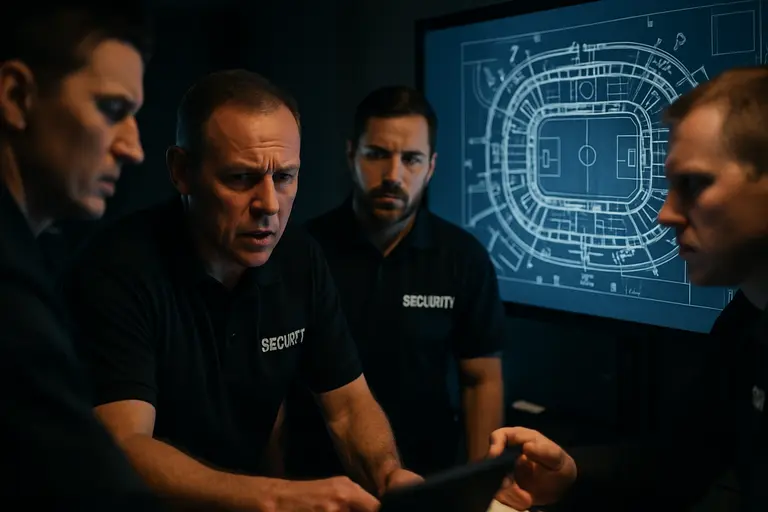
Demand Can Be Uneven Across The City
One risk in any major-event analysis is assuming that all areas benefit equally. The South Philadelphia Sports Complex will naturally sit closest to the action. Downtown hotels and established hospitality corridors may also see demand. Smaller businesses away from visitor routes could see little direct impact unless they are tied into event programming, transport paths or targeted promotions.
That does not weaken the case for planning. It makes planning more specific. A business near the stadium may need crowd-control procedures. A business farther away may need marketing partnerships or shuttle-aware scheduling. A supplier may need delivery adjustments. Each operator has a different exposure to the same event.
Public Coordination Has To Meet Game-Speed Conditions
Sports crowds move in waves. Pregame arrivals, post-event departures, weather changes and overlapping entertainment schedules can compress decisions. Public plans provide structure, but event-week execution will depend on communication speed among agencies, venues, transit providers and businesses. That is where tabletop planning meets game-speed pressure.
The safest analysis is that Philadelphia is preparing, not that every outcome is already secured. The city and state have public plans in place, and those plans address real pressure points. The All-Star Game will show how well the plans perform under national attention and concentrated visitor demand.
Philadelphia Sports Business Takeaways For 2026
The 2026 MLB All-Star Game should be viewed as a high-profile checkpoint for Philadelphia Sports Business, not as a stand-alone cure for every local sports-economy challenge. The supported facts point to serious preparation: a city business-readiness effort and a state focus on safety and transportation around the sports complex. Those are the pieces that can make a major event function better for fans and businesses alike.
The opportunity is clear. Philadelphia can use baseball’s midsummer showcase to test hospitality capacity, improve event routines, sharpen transport coordination and present the South Philadelphia Sports Complex as a district that can handle national attention. The caution is just as clear. The real business impact will depend on execution, location, customer behavior and post-event follow-through.
For teams, venue operators and local businesses, the assignment is practical: plan early, measure honestly and treat All-Star week as part of a longer sports calendar. That is how a major baseball event can influence Philadelphia’s sports economy without asking one week in July to carry more meaning than the evidence supports.
