

Philadelphia sports tourism has a rare stress test in summer 2026: a dense sequence of international soccer, baseball showcases, anniversary programming and citywide visitor demand. The key question is not simply whether Philadelphia can fill hotel rooms for one major event. It is whether the city can handle repeated peaks across venues, transit lines, restaurants, public spaces and neighborhoods without treating each event as isolated.
The verified schedule and visitor estimates point to a high-pressure summer. Philadelphia was selected to host six FIFA World Cup matches at Lincoln Financial Field between June 14 and July 4, 2026, with roughly 450,000 visitors tied to those matches, according to Axios Philadelphia. The same reporting cited tourism officials projecting more than 1 million visitors across 22 large-scale events in 2026 and an estimated $1 billion impact from those major events. Those numbers create a useful frame, but they should be read with care: economic-impact projections depend on assumptions about hotel nights, local spending, staffing, security costs and how much spending is new rather than shifted from one part of the region to another.
Why Philadelphia Sports Tourism Had A Compressed Calendar
Philadelphia Sports Tourism And The Match Calendar
The World Cup dates matter because they place Philadelphia inside a short, high-demand international window. Six matches at Lincoln Financial Field over three weeks mean repeated waves of traveling supporters, credentialed workers, media, sponsors and local fans. That is different from a single championship game, which creates one large surge and then clears. Here, the city has to reset several times.
For Philadelphia sports tourism, that repeated reset is the central operational challenge. A match day affects South Philadelphia first, but its impact spreads. Visitors need hotel rooms in Center City and nearby counties, restaurant reservations, airport access, rideshare pickup areas, transit capacity and wayfinding. Some will stay beyond match day, especially with the July 4 date carrying broader national significance during the country’s 250th anniversary year.
All-Star Week Extended The Sports Window
The baseball calendar adds another layer. MLB All-Star Week was scheduled for July 10 to 14, 2026, in Philadelphia, following shortly after the World Cup window. That sequencing matters because the city does not get a long operational break. Staffing plans, venue security, hospitality inventory and downtown foot traffic move from one major sports property to another.
That is why the MLB All-Star Game should be viewed as more than a stand-alone showcase. It is part of a broader test of whether Philadelphia can convert sports attention into repeat visitation. CuttingBall has covered related planning issues around venue operations, transit, safety and local demand in its look at Philadelphia’s 2026 All-Star planning, which fits the same summer pressure point.
What The Visitor Estimates Say
How The One Million Visitor Figure Should Be Read
The projected scale is large by any city standard. More than 1 million visitors across 22 major events would place pressure on a tourism system that must serve both event travelers and ordinary summer visitors. The $1 billion estimate cited by tourism officials is useful because it signals the expected order of magnitude, not because it guarantees a precise return.
Sports economists often separate gross activity from net benefit. A visitor who flies in for a World Cup match and stays three nights likely represents new spending. A local resident who shifts a dinner reservation from one neighborhood to another may not create the same net gain. A packed hotel can raise revenue, but public agencies and private operators also absorb costs tied to staffing, policing, sanitation, transit and crowd control.
That distinction keeps the analysis grounded. Philadelphia sports tourism can generate real value while still requiring sober measurement after the events are complete. The best post-event review would compare projected visitors with actual room nights, airport traffic, restaurant activity, transit ridership and tax receipts. Without that later audit, the early figures should be treated as directional rather than final.
Hotels And Local Demand Require Caution
The research supplied for this article also points to reports of sharp hotel gains during the World Cup period, including higher revenue and some occupancy periods above 90%. Those hotel figures fit what would be expected during a global event window, but they are narrower than the citywide impact claim. Hotel performance is one indicator; it does not capture every neighborhood, small business or public cost.
For fans, the practical takeaway is simpler: prices and availability can tighten when several events sit close together. Travelers who normally wait on rooms, dinner plans or rail schedules may face fewer options. That is not unique to Philadelphia. It is a standard feature of major-event tourism in cities with compact venue districts and strong downtown hotel demand.
Transport And Venue Operations Set The Fan Experience
Free Post-Match Transit Mattered
Transportation is where a visitor’s impression can change quickly. Philadelphia’s sports complex gives the city an advantage because Lincoln Financial Field, Citizens Bank Park and Wells Fargo Center sit in the same South Philadelphia district. That concentration simplifies some security and staging questions, but it also concentrates demand before and after events.
AP reported that Philadelphia planned free SEPTA Broad Street Line service after each World Cup match, a practical step tied directly to moving fans out of the stadium district after matches at Lincoln Financial Field AP. That type of service matters because post-event congestion can erase many of the gains from strong venue operations. A smooth entry process is only half the fan experience; the exit often shapes the memory.
Free post-match rail service also helps distribute visitors back toward Center City, hotels and connecting transit. For a city selling itself to international soccer fans and domestic baseball travelers within the same month, that movement is part of the product. The game is the anchor, but transit determines how easy the trip feels.
Neighborhood Spillover Is Part Of The Test
Philadelphia’s summer schedule also includes cultural and waterfront programming, based on the research provided. Those events can help spread visitor activity beyond the stadium district, but they can also create overlapping demand. A family visiting for a match may add a museum day, a waterfront stop or a restaurant night. A baseball traveler may extend a trip because the anniversary year gives the city a wider story than one game.
That is where Philadelphia sports tourism has a chance to outperform a simple event count. The city’s best outcome is not only full venues. It is longer stays, wider neighborhood spending and return trips. For comparison with how other state-based sports and outdoor audiences are served across the same media network, one can look at networks such as Texas Sportsmen.
Sports Business Lessons Beyond One Summer
Why Event Sequencing Matters
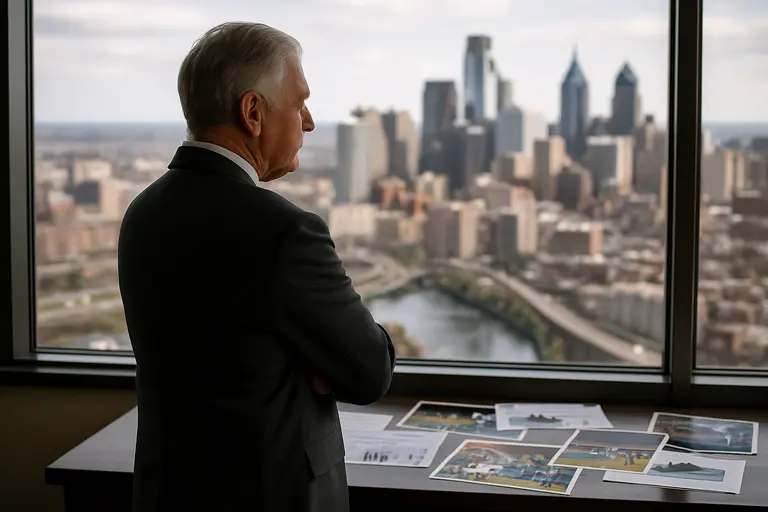
Event sequencing is the most underappreciated part of the summer. Cities often market major events separately because each property has its own rights holders, sponsors, ticketing systems and security plans. Visitors do not experience them that way. They experience a trip: arrival, hotel, food, transit, venue, public space and departure.
Philadelphia’s 2026 stretch asks whether those pieces can operate as one sports-business system. The World Cup brings a global soccer audience. MLB All-Star Week brings a domestic baseball audience, corporate hospitality and league-controlled events. Anniversary-year programming adds civic tourism. Each audience has different habits, but they compete for some of the same rooms, tables, trains and public attention.
From a betting-market perspective, major events can also shift how fans engage with games, but that is secondary here. The stronger analysis is operational: if a city can move large crowds repeatedly, manage pricing pressure and keep visitors moving through multiple districts, it strengthens its case for future bids. If pain points stack up, rights holders remember that too.
What Should Be Measured Afterward
The most useful post-summer review should avoid celebratory shortcuts. Philadelphia should measure actual visitor totals, hotel nights, transit ridership after events, airport volume, public safety costs, sanitation needs and small-business activity. It should also compare World Cup match days with non-match days to separate event-driven demand from the normal summer baseline.
That type of review would help show whether the $1 billion estimate matched reality. It would also give future host committees better information. A city that learns from its event calendar becomes more competitive for future tournaments, drafts, All-Star games and international friendlies.
What Philadelphia Sports Tourism Can Prove Next
The City’s Real Test Is Repeat Performance
Philadelphia sports tourism in 2026 is not being judged by one sold-out venue. The test is repeat performance across several weeks: World Cup matches, a July 4 spotlight, MLB All-Star activity and parallel visitor demand across the city. The available verified figures support the view that the summer is unusually large, with hundreds of thousands of soccer visitors and more than 1 million visitors projected across major events.
The cautious read is that Philadelphia has the ingredients for a strong tourism year, but the final grade depends on execution and later data. Match attendance, hotel revenue and economic-impact estimates are only part of the record. Transportation reliability, neighborhood distribution and visitor satisfaction will decide whether this summer becomes a model for future bids.
If the city handles those pressures well, the value extends past 2026. It gives Philadelphia a stronger case as a sports host that can manage clustered events without losing the fan experience. That is the real opportunity inside this summer’s crowded schedule.
