

Perseid Viewing Events gave Florida a useful test case for how a non-sporting spectacle can borrow from the best parts of sports event planning. The 2026 Perseid meteor shower peaked on the night of August 12-13, and the peak coincided with a new moon, creating dark-sky conditions that strengthened the viewing window, according to Live Science. For a state that already knows how to stage late arrivals, parking pressure, family outings and post-event traffic after games, the meteor shower offered a different kind of crowd draw: no scoreboard, no halftime, and no guaranteed moment of payoff.
That is what makes evaluating success more interesting than simply asking whether the sky produced meteors. A sports crowd can judge a night by the result, the opponent, the star performance or the standings. A meteor shower crowd measures value through visibility, comfort, timing, safety and whether the event felt worth staying awake for. In that sense, the Florida gatherings were closer to a long rain-delay baseball crowd or a late college football kickoff than to a routine civic program.
Why Perseid Viewing Events Worked In Florida
Dark Skies Changed The Fan Experience
The strongest point in favor of the 2026 viewing schedule was the moon phase. A new moon during the peak meant less moonlight interference, which matters because meteors are easier to see against a darker sky. The research supplied for this topic also identifies the Perseids as an annual event tied to debris from Comet 109P/Swift-Tuttle, whose material creates the visible streaks when Earth passes through it.
For Florida organizers, that gave the night a clear selling point. The event did not depend on a celebrity appearance, a rivalry game or a promotion. It depended on a predictable annual astronomical window aligning with better-than-usual darkness. That is a clean event proposition, especially for state parks and observatories trying to attract visitors for a late-night program.
Attendance Claims Need Care
The research provided says viewing events in Florida state parks and observatories attracted thousands of attendees. That is a meaningful signal, but it should be treated cautiously because no audited site-by-site attendance counts were included in the approved source set. A careful evaluation can say the gatherings appear to have generated broad public interest, but it should not assign exact attendance by venue, economic impact or staffing performance without official records.
That distinction matters in sports analysis as well. Announced attendance, turnstile count, television audience and concession demand can all describe different versions of turnout. For a meteor shower event, the same caution applies. A packed parking area, long entry line or full lawn may show strong demand, but it is not the same as a verified statewide attendance total.
Schedule Lessons From A Midnight Peak
Why After Midnight Mattered
The Perseids rewarded patience. The best viewing guidance pointed observers toward the hours after midnight, when the radiant point near Perseus rose higher in the sky, as noted by the Associated Press. That schedule creates a planning challenge familiar to anyone who has worked a late sports event in Florida: the crowd may arrive before the main viewing window, stay past normal park hours and leave in a compressed wave.
For families, that timing changes the entire experience. A 10 p.m. arrival is not the same as a 7 p.m. first pitch. Food, restrooms, lighting, security, blankets, bug protection and exit traffic become part of the event product. The meteor shower may be in the sky, but the success of the night is still shaped on the ground.
Weather And Patience Were Part Of The Event
Florida’s appeal as an outdoor-event state is clear, but summer nights can still test organizers and guests. The research identifies favorable summer viewing conditions as one reason the Perseids remain anticipated, yet any single local event can be affected by clouds, humidity or light from nearby development. Without verified site reports, it would be unsafe to declare every Florida event a viewing success.
That said, the schedule had a strong structural setup. A dark moon phase, a known peak night and an annual event with public awareness gave organizers a better foundation than many outdoor events receive. In sports terms, the schedule-maker did the venue a favor. Execution still depended on local conditions.
Sports-Style Operations Without A Scoreboard
Perseid Viewing Events As Night-Event Operations
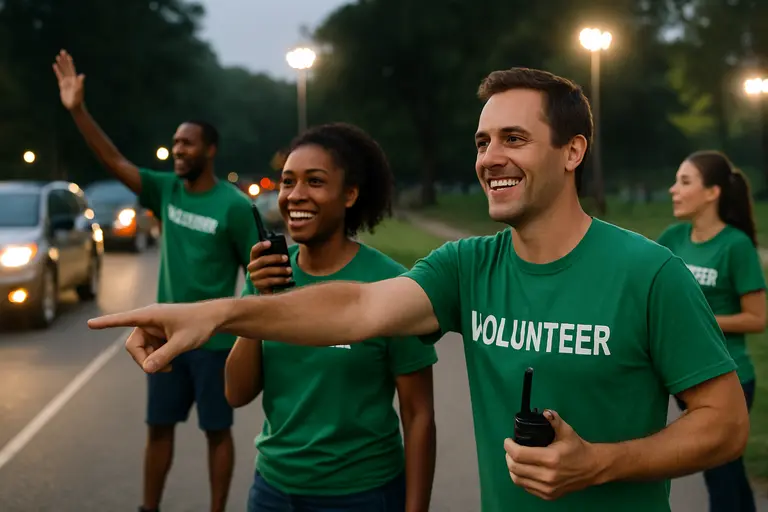
For Perseid Viewing Events, the clock worked differently than it does in a stadium. There was no kickoff, opening tip or first pitch. The audience had to be managed through a waiting period, and the payoff came in scattered bursts rather than one defined sequence. That makes communication more valuable. Guests need to know where to sit, how long to stay, why their eyes need time to adjust, and why bright phone screens can reduce the experience for people nearby.
Sports venues understand that an event is not only the contest. It is entry, seating, concessions, signage, public safety and the exit plan. Astronomy events need the same discipline, even if the setting is a park field or observatory lawn instead of a stadium bowl. For readers who are interested in how venue operations and fan behavior parallel these insights, SCAR Sports offers related coverage in the same network.
Practical Success Measures
A cautious scorecard for the Florida events should focus on measures that can be verified or observed directly, rather than inflated claims about cultural impact. The most useful indicators are operational and experiential:
- Whether guests had safe access to dark viewing areas before and after midnight.
- Whether parking and exits handled late-night arrivals and departures.
- Whether organizers explained viewing expectations clearly before the peak window.
- Whether local lighting, weather and crowd behavior allowed reasonable sky visibility.
- Whether families and casual observers had enough support to stay through the best viewing period.
Those measures resemble the way a well-run tournament or neutral-site game is judged behind the scenes. The public may remember one spectacular meteor, but organizers should remember the flow of people, the timing of announcements and the number of problems avoided.
What Perseid Viewing Events Mean For Florida Sports Tourism
A Different Kind Of Event Calendar Value
If Perseid Viewing Events are treated as part of Florida’s broader event calendar, their value becomes clearer. They can fill a late-night niche that traditional sports rarely occupy, and they bring families, students, amateur astronomers and casual visitors into public spaces for a shared viewing experience. That does not make them a replacement for games. It makes them a complementary draw.
The business case should still be framed carefully. The supplied research does not provide hotel data, spending totals, food-and-beverage revenue or park-by-park attendance. Without those figures, no one should claim a confirmed tourism windfall. The supported claim is narrower: the timing and viewing conditions gave Florida organizers a strong chance to build successful public events around a rare peak-night setup.
The Florida Standard Should Be Repeatability
The fairest test is whether organizers can repeat the parts that were under their control. They cannot schedule a new moon every year, and they cannot guarantee clear skies. They can improve arrival plans, protect dark viewing zones, post clear guidance, train volunteers and coordinate late-night exits. Those are the same small details that separate a smooth sports event from a frustrating one.
Perseid Viewing Events did not need a final score to show why Florida is well positioned for this kind of programming. The 2026 peak offered strong sky conditions and public interest. The next step is documentation: verified attendance, venue reports and operational lessons that can help parks and observatories measure success with the same seriousness that sports operators bring to game day.
